
We are driving a waste-smart strategy across all locations to refuse, reduce, reuse, repurpose, and recycle waste.
Waste Audits to Inform Our Path to Zero Waste
Our Goal
By 2027, all US sites to achieve zero waste.
What This Means
By 2027, all US sites to achieve the Green Business Council International and Zero Waste International Alliance definition of zero waste: an average of 90% or greater overall diversion from landfill, incineration (waste to energy), and the environment for solid, non-hazardous wastes for the most recent 12 months. Diverted materials are reduced, reused, recycled, composted and/or recovered for productive use in nature or the economy.
Our Progress So Far
In 2023, we started working our way to complete six (6) zero waste baseline assessment audits across our US facilities in California, Pennsylvania, South Carolina, Tennessee and Virginia.
By the end of 2024, we completed five (5) zero waste baseline assessments across our US Fulfilment Centers (FC) in line with our 2027 goal to achieve zero waste for our US sites. Our overall diversion across the US FC network was 91.5%. For reference, this is over 12,376 tonnes of solid waste diverted away from landfills and back into beneficial reuse as recycled material products.
In terms of next steps, our US network is moving towards external certification as TRUE zero waste sites by the end of 2027. Included in that effort will be:
- Ongoing Waste Characterization
- Current and New Diversion Implementation
- Employee Engagement & Training
- Contamination Monitoring
- Zero Waste Validation
- Process and Procurement Change Initiatives
- Zero Waste Operations Implementation
- Diversion Data Tracking
- Continuous Improvement of Waste Hauling
- Annual Network Assessments
Beyond external zero waste certification, we are targeting waste reduction innovation at the site level by fulfilment operations and Green Teams, piloting technologies, measuring ROI including waste diversion, sharing best practices, and recognizing waste reduction/elimination innovation.
Increase On-site Packaging Recycling
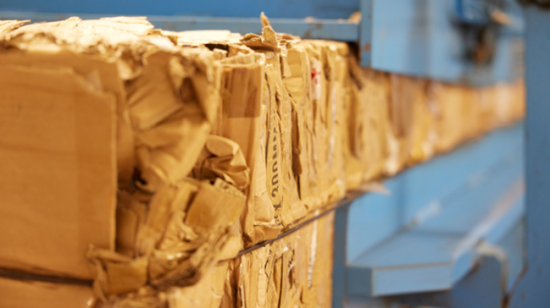
To begin recycling more of our packaging at our FCs, we first needed to understand our current state. In 2018, we conducted an audit of our recycling activities across our US FCs to see how much paper, corrugate, wood and plastic film is currently being recycled. With this information we are now developing consistent recycling standards and partnerships across our fulfilment network. Stay tuned for more information to come.
Outbound Packaging Reduction Initiatives
There are many ways in which we are reducing the overall amount of packaging we use, as well as improving the recyclability of our packaging. We are also switching to post-consumer recycled content as much as possible and implementing waste reduction initiatives at our fulfilment centers.
Visit our Supply Chain Emissions Page to read more.
Plastic Bank
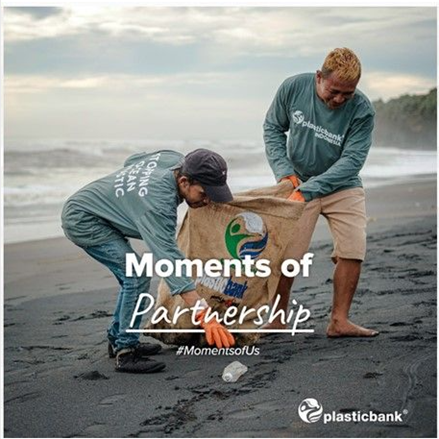
Over the last two years, we've been working with Plastic Bank to support the collection and recycling of plastic from the environment.
Through this partnership with Plastic Bank (2024-2025), we gathered over 45 tonnes of plastic equal to 2,272,750 bottles which was recycled into Social Plastics, a recycled feedstock that is reprocessed and reintegrated into products and packaging for consumer goods. These results helped reduce the reliance on virgin plastics and significantly decrease greenhouse gas emissions associated with manufacturing.
By turning plastic into currency, we empowered the collection and exchange of discarded plastic. We believe that by working together with Plastic Bank and other partners, we can create a brighter and more sustainable future for everyone.